
In the mid-1990s, the American hotel industry was still recovering from the excesses of the 1980s overbuilding boom and the subsequent savings-and-loan crisis. Out of that turbulence emerged one of the most innovative and acquisitive hospitality companies of the modern era: Starwood Hotels & Resorts Worldwide. The man behind its transformation from a struggling real estate investment trust into a global brand powerhouse was Barry Stuart Sternlicht, a Connecticut-raised dealmaker whose blend of financial acumen and design sensibility reshaped how travelers experience hotels.
Starwood’s corporate roots stretch back further than its modern identity. The predecessor entity, Hotel Investors Trust, was established in 1969 as a real estate investment trust designed to hold hotel properties while benefiting from favorable tax treatment. By the early 1990s, the trust was nearly bankrupt. Enter Sternlicht. →https://en.wikipedia.org/wiki/Starwood_Hotels_and_Resorts
Born on November 27, 1960, in New York City and raised in Stamford, Connecticut, Sternlicht grew up in a family shaped by resilience. His father, Maurycy “Mark” Sternlicht, was a Polish Jewish Holocaust survivor who worked as a plant manager. His mother, Harriet, was a biology teacher and stockbroker. Sternlicht graduated magna cum laude from Brown University in 1982 and earned an MBA with distinction from Harvard Business School in 1986. After a brief stint as an arbitrage trader on Wall Street, he joined Chicago’s JMB Realty, a prominent real estate firm. The savings-and-loan crisis cost him that job around 1989–1990, when he was in his late 20s and his wife was pregnant with their first child.
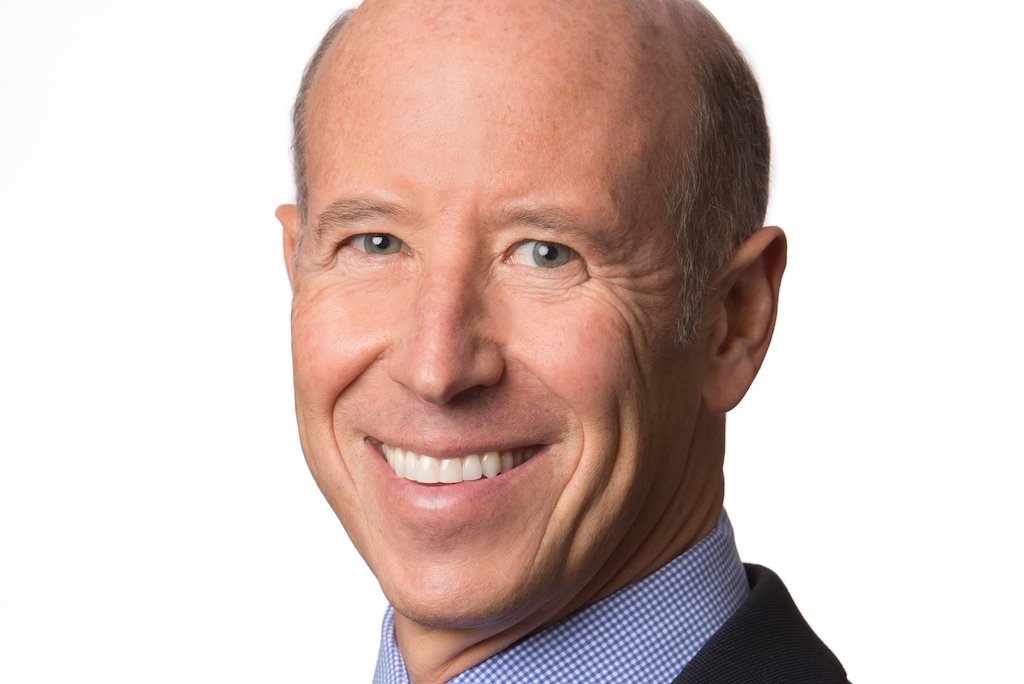
Undeterred, in 1991, at age 31, Sternlicht co-founded Starwood Capital Group (initially Starwood Capital Partners) with Bob Faith. The firm raised about $20 million, largely from the Ziff and Burden families, to acquire distressed apartment buildings liquidated by the Resolution Trust Corporation. The name “Starwood” came from a luxurious residential area near Aspen, Colorado—specifically inspired during a hot-tub conversation at a property there. Faith later left to found Greystar Real Estate Partners; Sternlicht stayed at the helm. Within a couple of years, Starwood Capital had generated strong returns, including swapping an apartment portfolio for a significant stake in Sam Zell’s Equity Residential.→https://en.wikipedia.org/wiki/Starwood_Capital_Group
Sternlicht then pivoted aggressively into hotels. In 1994, Starwood Capital partnered with Goldman Sachs to acquire Westin Hotels & Resorts from Japan’s Aoki Corporation for approximately $561 million (later adjusted lower). Westin, originally founded in 1930 as Western Hotels in the Pacific Northwest, brought an established upscale brand. In January 1995, Sternlicht acquired control of the nearly bankrupt Hotel Investors Trust, reorganized it, and renamed the entity Starwood Lodging (later Starwood Hotels & Resorts). He became chairman and CEO. The company leveraged a rare “paired-share” REIT structure that allowed it both to own and operate properties—a tax-advantaged setup Congress had largely phased out but grandfathered for a few firms.
The real breakthrough came in 1997–1998. Sternlicht’s Starwood outmaneuvered Hilton in a high-stakes battle for ITT Corporation, acquiring it for roughly $13–14 billion. That deal delivered the Sheraton, Four Points by Sheraton, and The Luxury Collection brands, along with significant gaming assets that were later spun off. Suddenly Starwood controlled a portfolio of iconic names and became one of the largest lodging companies in the world.→https://www.company-histories.com/Starwood-Hotels-Resorts-Worldwide-Inc-Company-History.html
Sternlicht’s genius extended beyond deal-making. In 1998–1999, he launched W Hotels by converting the Doral Inn in New York into the first W, inventing the modern lifestyle/boutique hotel brand for a younger, design-conscious traveler. He revived and globalized the historic St. Regis brand. Under his leadership, Starwood introduced the Westin Heavenly Bed in 1999—modeled after the mattress in his own home—which became an industry standard and a marketing phenomenon. The company also pioneered the Starwood Preferred Guest loyalty program with innovative features such as flexible redemptions and late checkout.

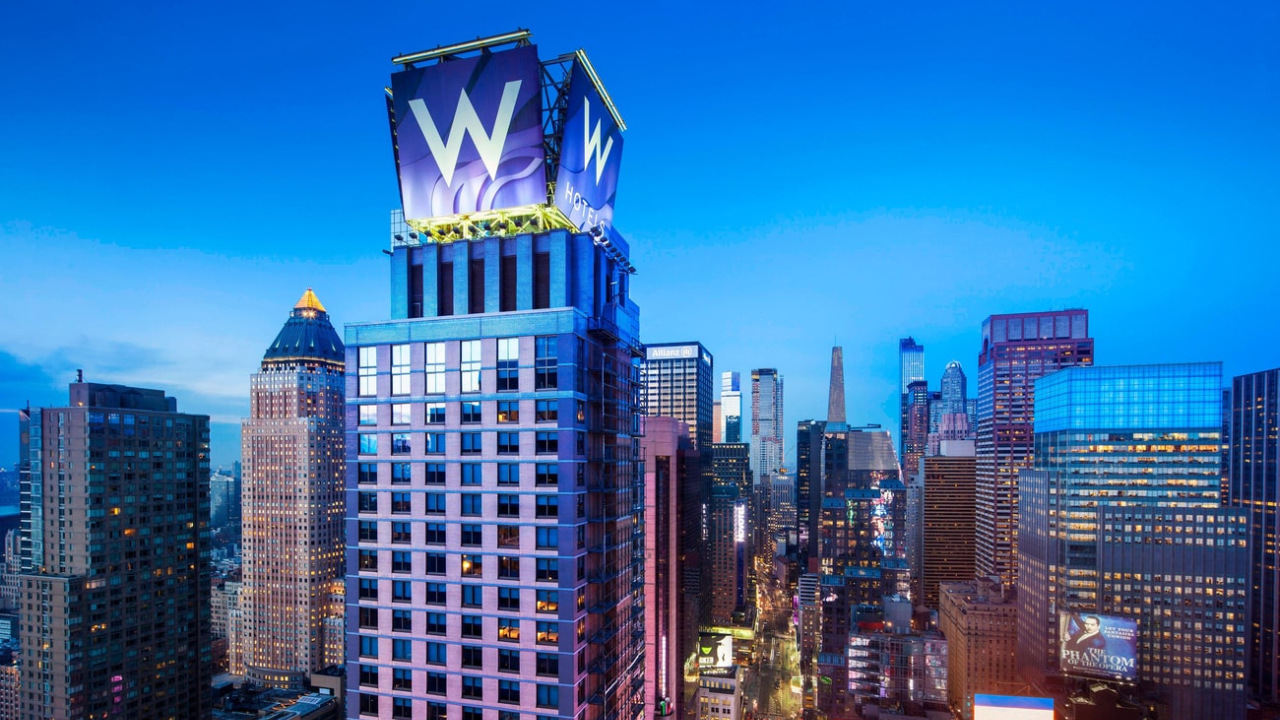
By the early 2000s, Starwood employed tens of thousands, operated or franchised hundreds of hotels across dozens of countries, and was known for design-forward properties and strong brands. Sternlicht stepped down as CEO in 2004 (remaining chairman until 2005) to focus on Starwood Capital Group. Successors included Steven Heyer and later Frits van Paasschen. The company continued expanding, adding Le Méridien, Aloft, and Element brands.
In 2016, Marriott International acquired Starwood Hotels & Resorts in a deal valued at about $12.2–13 billion, creating the world’s largest hotel company at the time with more than 5,700 properties. Sternlicht had retained rights to the Starwood name. In the years since, through his SH Hotels & Resorts (an affiliate of Starwood Capital), he developed new brands including 1 Hotels (nature-inspired and sustainable), Baccarat Hotels, and Treehouse Hotels. In early 2025, marking the 10th anniversary of that platform, he rebranded SH Hotels as Starwood Hotels, reviving the iconic name for a smaller but ambitious portfolio focused on lifestyle and luxury properties.

Today, Sternlicht remains chairman and CEO of Starwood Capital Group, which manages well over $100 billion in assets, and chairman of Starwood Property Trust. He also chairs the revived Starwood Hotels. Estimates of his net worth have ranged in the multi-billion-dollar territory in recent years. He has three children with his former wife Mimi Reichert (they met at Brown and divorced in 2016); their daughter Adrienne is a noted equestrian. Sternlicht has been active in philanthropy, particularly diabetes research (his son William was diagnosed young), and serves on boards including Estée Lauder Companies.
The founding of Starwood is ultimately a story of opportunistic capital meeting creative vision. Sternlicht took a distressed REIT, paired it with strategic brand acquisitions, and injected lifestyle innovation that influenced the entire industry. From the Heavenly Bed to the rise of W Hotels and the recent brand revival, his imprint remains unmistakable. As the hospitality sector continues to evolve, the Starwood name—born in the real-estate trenches of the early 1990s—continues to signal ambition and reinvention under the same founder who first put it on the global map.
Sources for this article include Wikipedia entries on Starwood Hotels and Resorts, Barry Sternlicht, and Starwood Capital Group; contemporary reporting from Skift, The New York Times, Hotels Magazine, company histories, and historical coverage in the Los Angeles Times and Fortune. Images are representative portraits, logos, and brand visuals associated with the company’s legacy.
I was struggling to find the official login page until I found this. Everything is legit and the bonus offers are actually worth it. Love fanta55link.
Hey guys, put a few hours in 78zin Its good. Check it out here: 78zin