
Southeast Asia in 2026 continues to captivate travelers with its blend of ancient wonders, natural beauty, vibrant cities, and emerging destinations. Drawing from expert travel guides and recent reports, here’s an expanded curated list of top attractions that highlight the region’s diversity. These include timeless icons and rising spots gaining popularity for their accessibility and unique experiences. We’ve focused on a mix across countries for a well-rounded overview.
Table of Contents
01. PHONG NHA-KẺ BÀNG NATIONAL PARK, VIETNAM
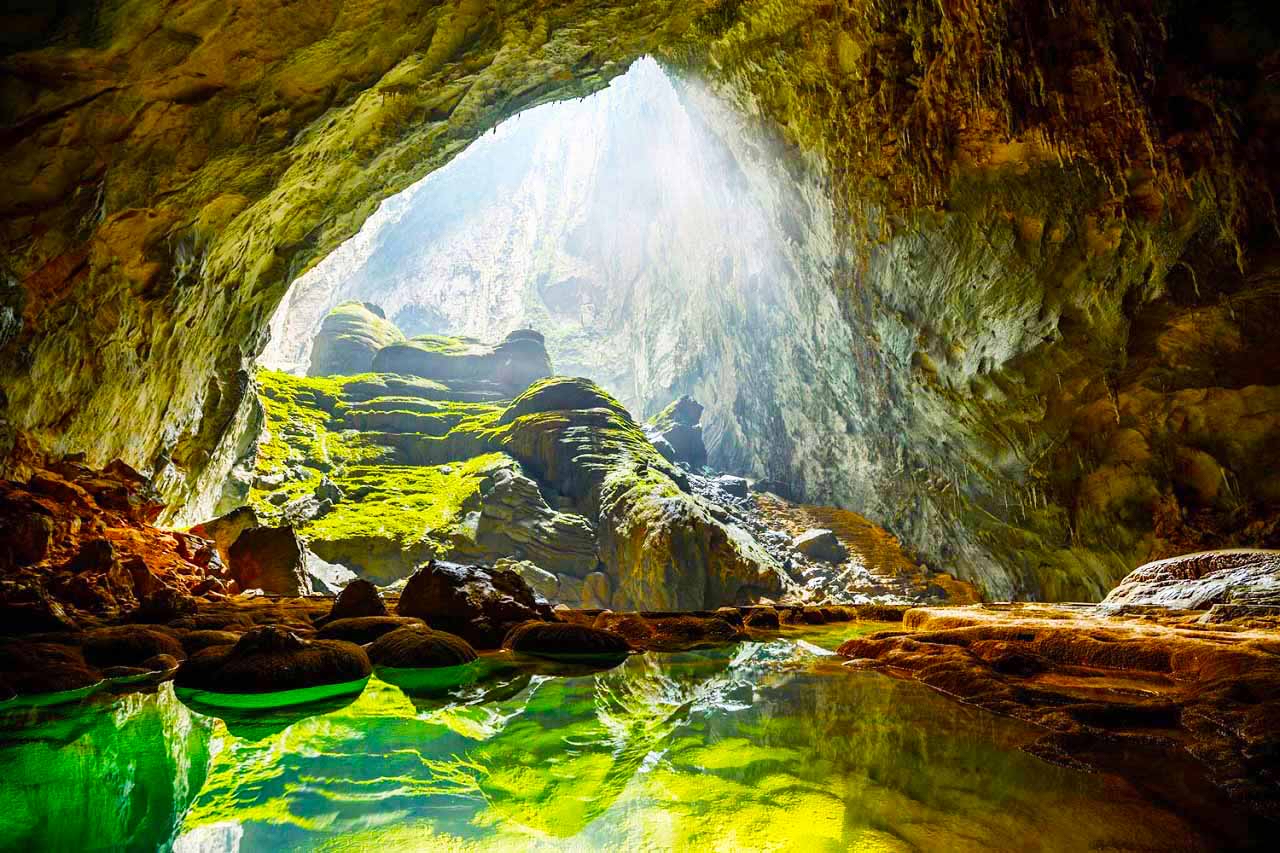
A UNESCO World Heritage Site since 2003, this vast karst landscape in central Vietnam features Asia’s oldest limestone mountains, formed over 400 million years ago, and over 500 caves, including the world’s largest, Hang Son Doong. It was a key area during the Vietnam War and now protects endangered species like langurs.
In 2026, new adventure packages emphasize sustainability, with expanded eco-trails and community involvement. Highlights include boating through Phong Nha Cave’s illuminated chambers, exploring Paradise Cave’s 1km walkway amid stalactites, ziplining and kayaking at Dark Cave, multi-day treks to Hang En (a massive cavern with its own beach), and cycling rural paths for birdwatching. Combine with river swims and camping for an immersive experience.
– Time to Visit: March to August for dry weather; avoid rainy season (September-February) for safer cave access.
– Tips: Book guided tours for safety (caves can be slippery), wear sturdy shoes and bring a headlamp, stay in Phong Nha town for affordable homestays, and opt for small-group adventures to minimize impact—respect wildlife by keeping distances.
02. ANGKOR WAT & SIEM REAP, CAMBODIA
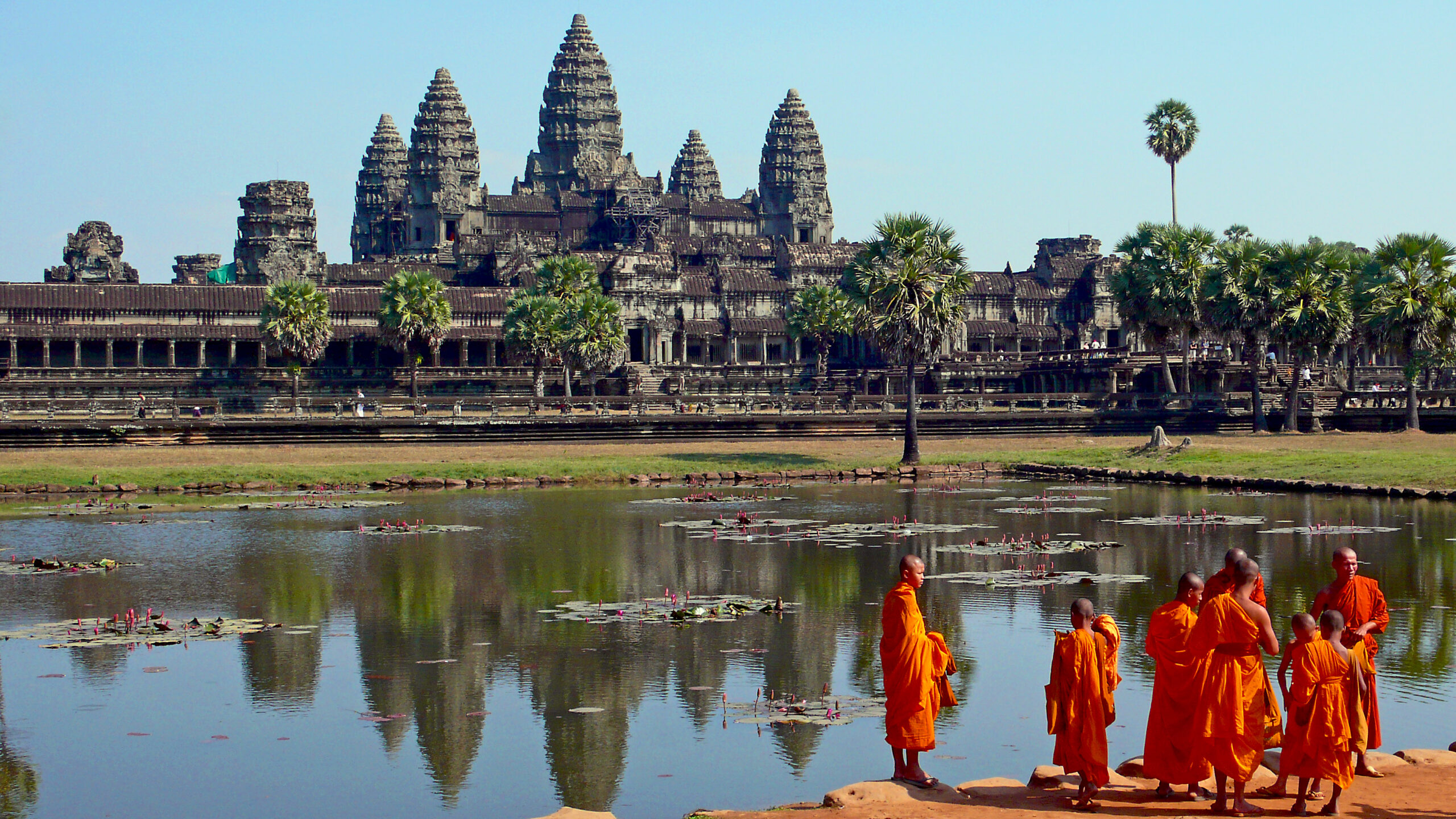
This sprawling ancient temple complex near Siem Reap is the largest religious monument in the world, a UNESCO World Heritage Site built between the 9th and 13th centuries during the Khmer Empire. It represents a microcosm of the Hindu universe, with its central towers symbolizing Mount Meru, the home of the gods, surrounded by moats and intricate bas-reliefs depicting epic myths.
In 2026, enhanced sustainable tourism measures, including guided e-bike tours and digital apps for virtual reconstructions, make exploration more immersive and eco-friendly. Visitors can spend days wandering through the main Angkor Wat temple at sunrise (a bucket-list experience for its ethereal glow), then venture to nearby sites like Angkor Thom with its iconic Bayon Temple featuring smiling stone faces, or the pink sandstone Banteay Srei known for its detailed carvings.
Pair your visit with stays at luxury eco-resorts like Zannier Phum Baitang, set amid rice paddies, offering infinity pools and Khmer-inspired villas.
– Time to Visit: February for cooler weather and fewer crowds; avoid peak rainy season (July-October).
– Tips: Hire a licensed guide to uncover hidden stories, wear modest clothing, and respect ongoing restoration efforts to preserve this architectural marvel.
03. CHIANG MAI, THAILAND
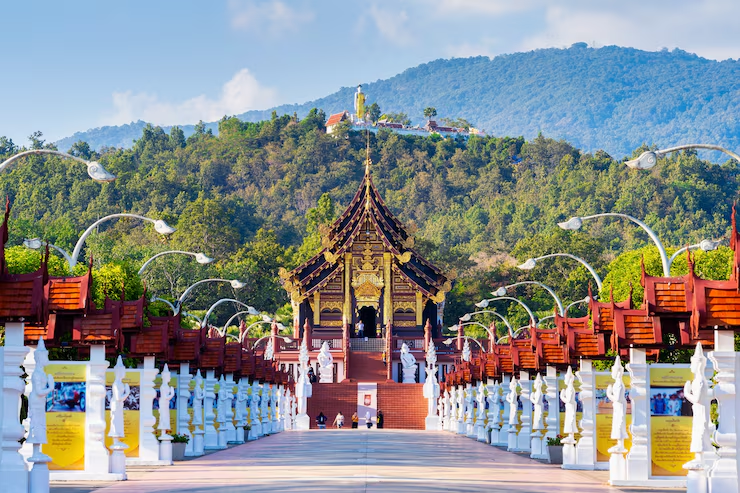
Northern Thailand’s cultural heart, founded in 1296, features over 300 temples like Wat Phra That Doi Suthep atop a mountain with golden chedi and city views. Night markets buzz with handicrafts, while ethical elephant sanctuaries and hill tribe treks promote responsible tourism.
In 2026, festivals like Yi Peng (lantern release) in November draw crowds. Explore Doi Suthep-Pui National Park for hikes.
– Time to Visit: November-February for cool weather.
– Tips: Join cooking classes for Thai cuisine, rent a scooter cautiously, and support local artisans.
04. LABUAN BAJO AND KOMODO NATIONAL PARK, INDONESIA
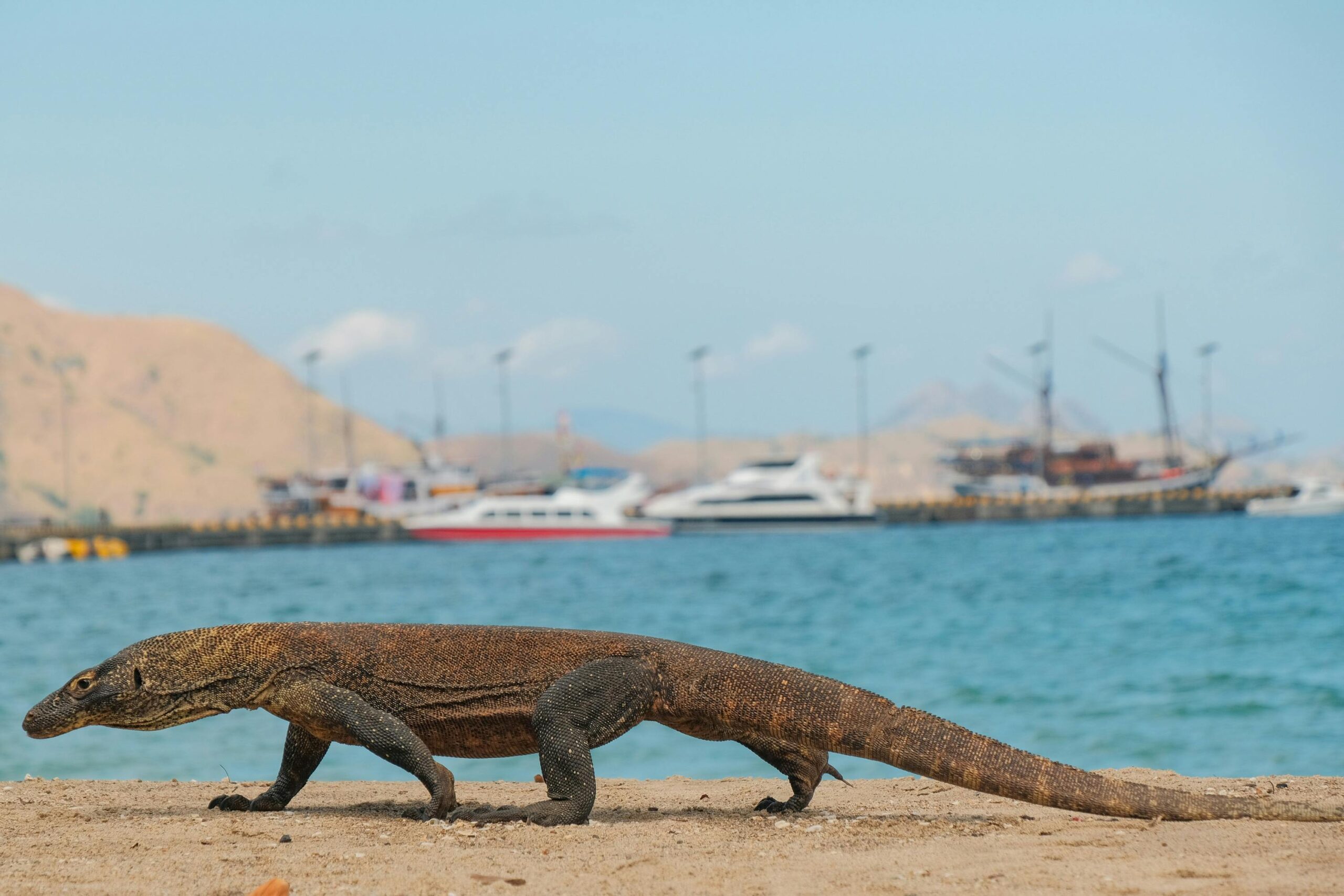
This Flores Island gateway to UNESCO-listed Komodo National Park is home to Komodo dragons, pink-sand beaches like Pantai Merah, and world-class diving sites with manta rays and sharks.
In 2026, new international flights and luxury eco-resorts boost accessibility, positioning it as a nature-luxury hub beyond Bali. Boat tours spot dragons on Rinca or Komodo islands, with hikes to viewpoints.
– Time to Visit: April-October for calm seas.
– Tips: Use certified guides for safety, pack reef-safe sunscreen, and respect wildlife distances.
05. BOHOL, PHILIPPINES
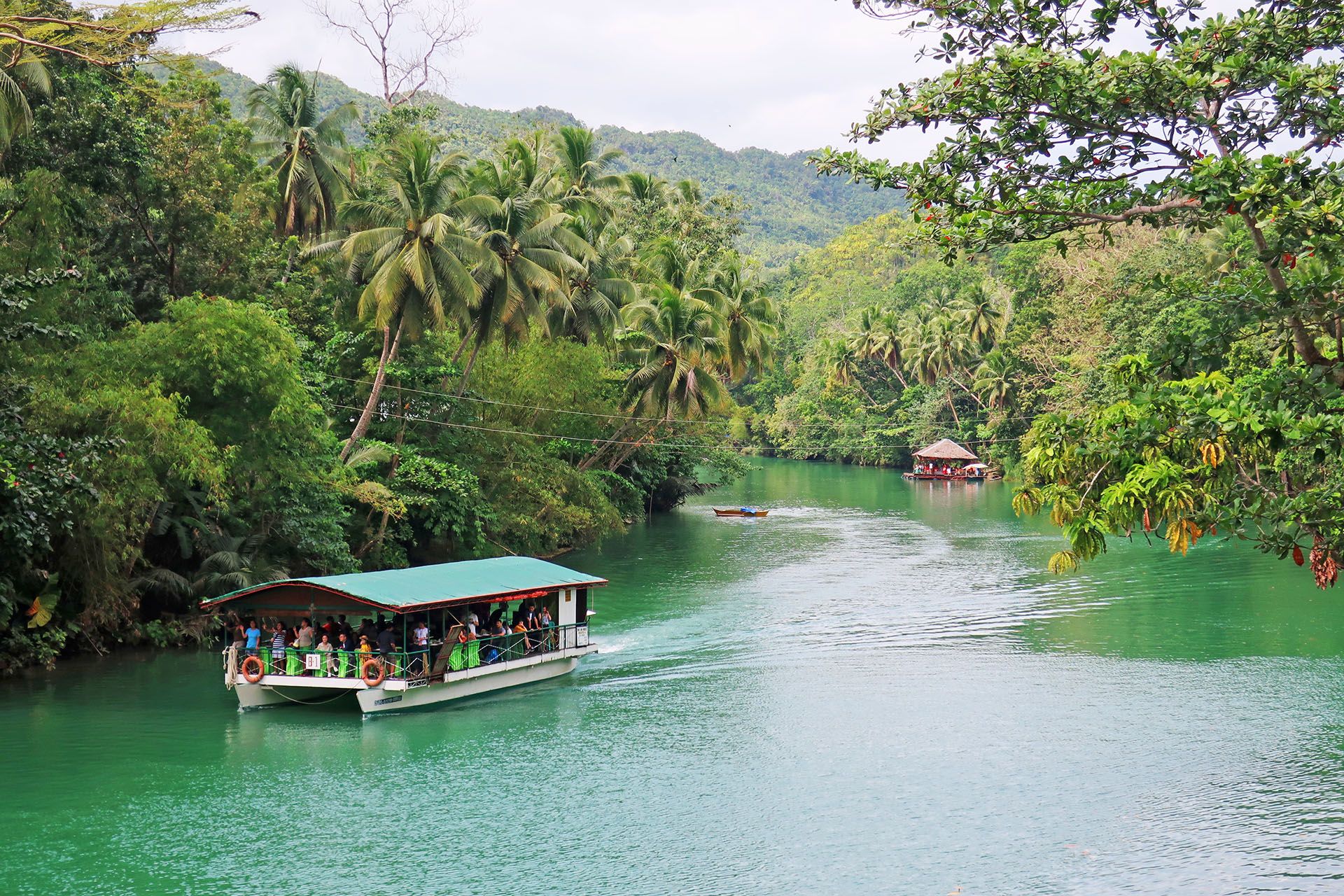
Boat cruise on Loboc River, Bohol Island
This enchanting island in the Visayas region is famed for its unique geological formations and biodiversity, shaped by centuries of volcanic activity and coral uplift. The iconic Chocolate Hills—over 1,200 symmetrical mounds that turn chocolate-brown in the dry season—date back millions of years and are a UNESCO Geopark candidate. Bohol’s history includes Spanish colonial influences, seen in heritage churches like Baclayon, and it’s a hub for eco-tourism.
In 2026, expect enhanced sustainable practices, such as community-led tours and plastic-free initiatives at key sites. Top activities include hiking or ATV rides around the Chocolate Hills for panoramic views, visiting the Tarsier Sanctuary to see the world’s smallest primates in ethical enclosures, cruising the Loboc River with floating restaurants and cultural performances, snorkeling at Balicasag Island’s marine sanctuaries, and exploring inland adventures like the Dimiao Twin Falls for swimming and picnics. Nearby Panglao Island offers white-sand beaches like Alona for relaxation.
– Time to Visit: December to May for dry weather and festivals like the Sandugo; avoid typhoon season (June-November).
– Tips: Rent a scooter or join guided tours for flexibility, support local farms through agritourism experiences, pack insect repellent for jungle areas, and book in advance for popular spots to avoid crowds—opt for eco-resorts like Bohol Beach Club for a blend of luxury and nature.
06. GARDENS BY THE BAY, SINGAPORE
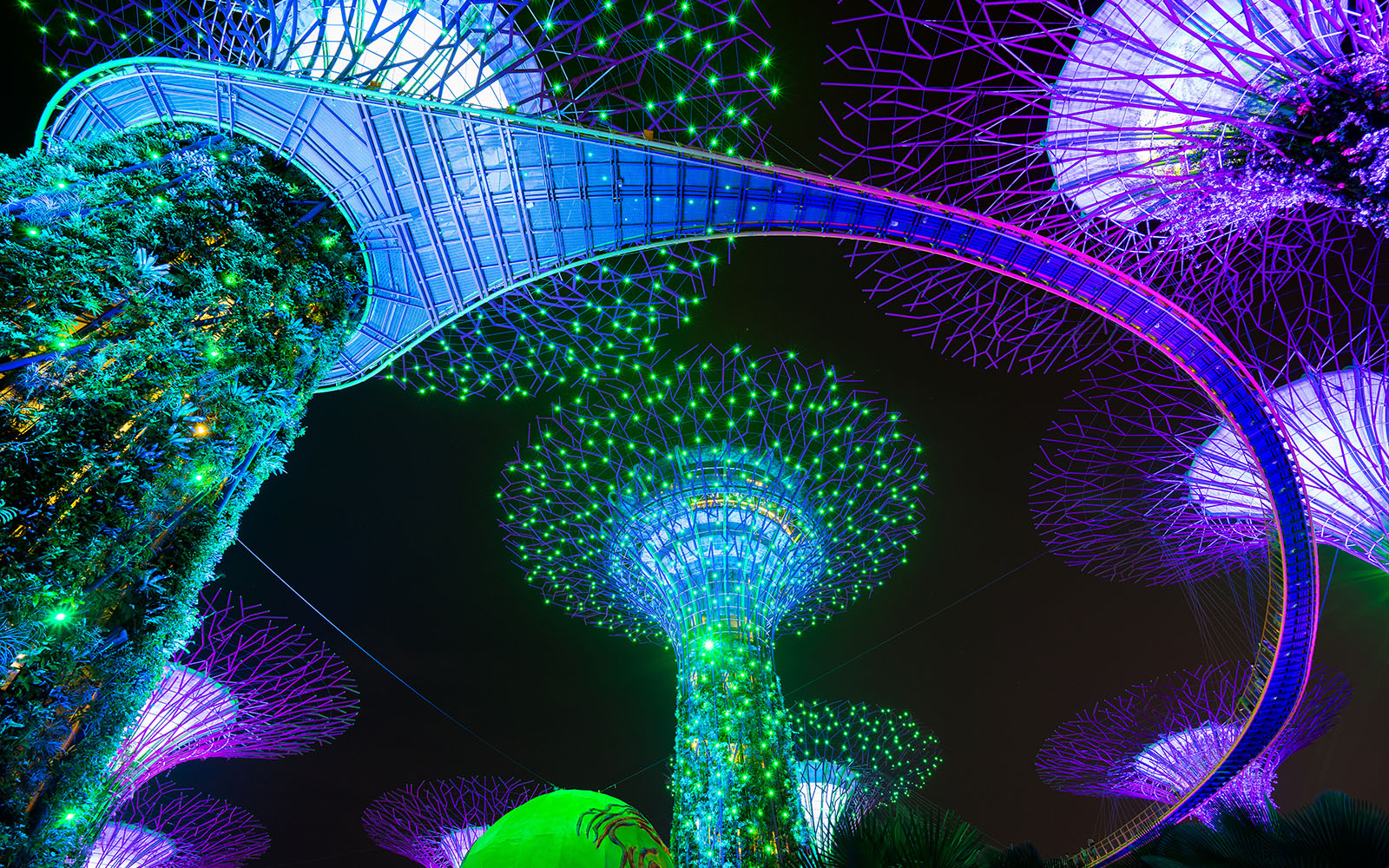
This iconic 250-acre horticultural attraction in Marina Bay embodies Singapore’s vision as a “City in a Garden,” blending nature with cutting-edge technology since its 2012 opening. Highlights include the massive Supertree Grove—vertical gardens up to 50 meters tall that light up in nightly shows—the Flower Dome (world’s largest glass greenhouse replicating Mediterranean climates), and the Cloud Forest with its indoor waterfall and mist-shrouded mountain.
In 2026, new exhibits focus on sustainable urban farming and biodiversity, tying into global eco-trends. Adjacent to the Singapore Botanic Gardens (another UNESCO site with the world’s largest orchid collection), it’s perfect for families with interactive displays and seasonal floral events. Stroll skywalks for city views or dine at on-site restaurants amid greenery.
– Time to Visit: Year-round, but visit evenings for cooler temps and light shows.
– Tips: Buy combo tickets for multiple domes, wear comfortable shoes for walking, and combine with nearby Marina Bay Sands for a full urban-nature day.
07. GAYA ISLAND – MALAYSIA’S TRANQUIL RAINFOREST RETREAT
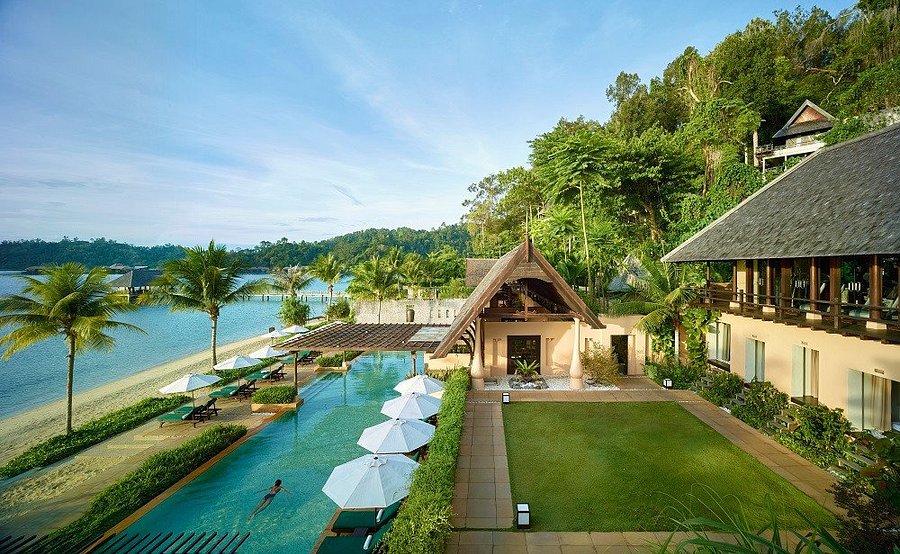
Part of Sabah’s Tunku Abdul Rahman Marine Park, Gaya Island off Kota Kinabalu has a history tied to Bajau sea nomads and WWII events, now focused on conservation with protected reefs and rainforests. It’s home to luxury eco-resorts emphasizing marine research.
In 2026, new sustainable snorkeling guidelines and expanded hiking trails highlight its appeal. Activities include snorkeling or diving in crystal-clear waters teeming with corals and fish, ziplining between Gaya and Sapi Islands (the world’s longest island-to-island line), beach lounging at Police Beach, guided jungle treks for proboscis monkeys and birds, and visiting the Marine Ecology Research Centre for giant clam conservation. Kayaking and stand-up paddleboarding offer serene explorations.
– Time to Visit: March to October for dry weather and clear visibility; shoulder seasons for tranquility.
– Tips: Take a short boat from Kota Kinabalu (15 minutes), pack reef-safe products, book day trips if not staying overnight, and combine with nearby islands for hopping—resorts like Gaya Island Resort provide all-inclusive options with spa treatments
08. PALAWAN, PHILIPPINES
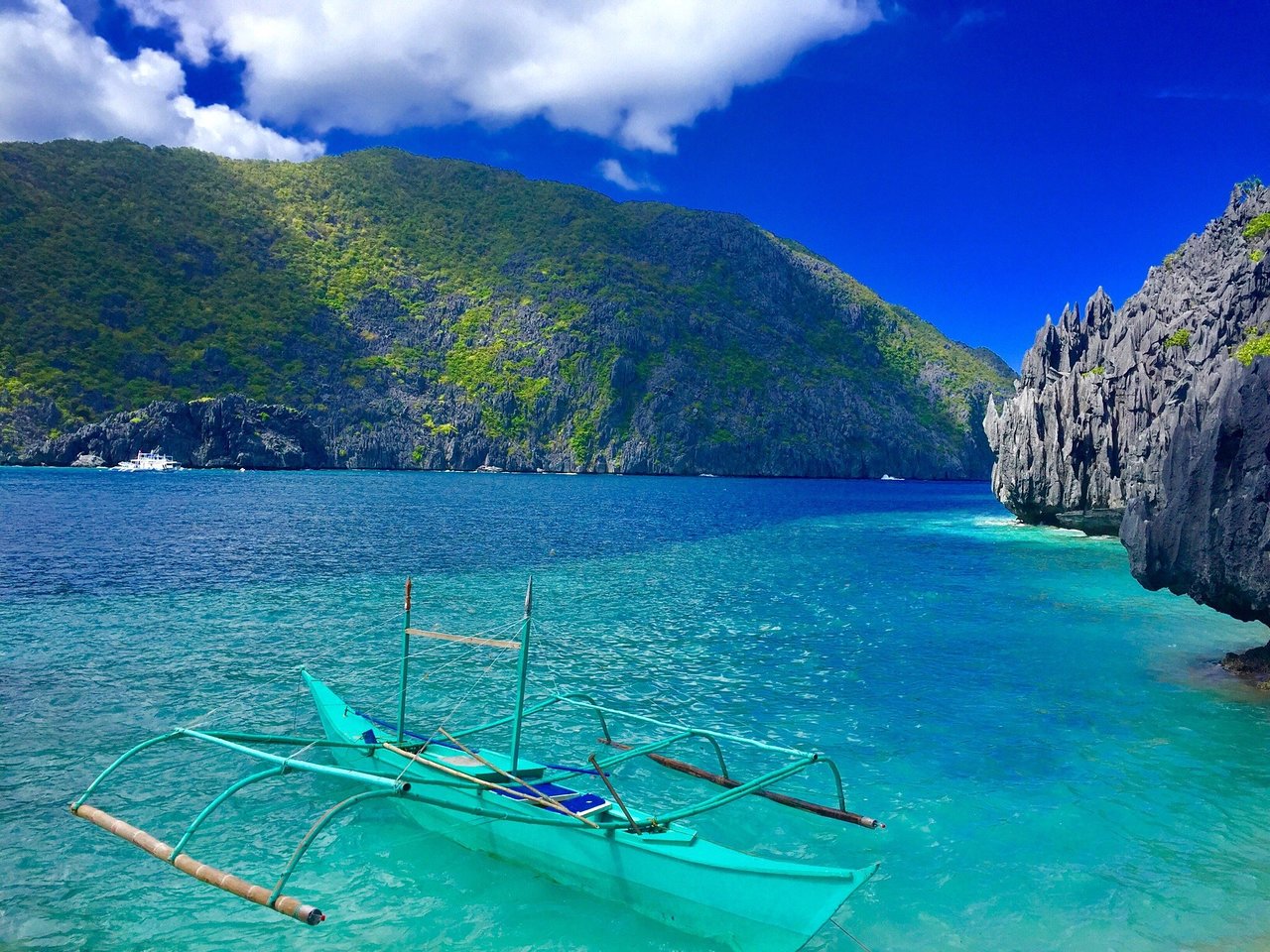
Often hailed as the “Last Frontier” of the Philippines, Palawan is an archipelago of over 1,700 islands with a rich history of indigenous tribes, Spanish forts, and WWII relics, including the Japanese shipwrecks in Coron. Its UNESCO-listed Puerto Princesa Subterranean River is one of the world’s longest navigable underground rivers, flowing through limestone caves teeming with wildlife.
In 2026, Palawan is spotlighted in travel guides for its conservation efforts, with new eco-regulations limiting visitors to sensitive areas and promoting low-impact tours. Key activities include island-hopping in El Nido’s Bacuit Bay to lagoons like Big and Small, snorkeling amid vibrant corals and sea turtles, exploring Coron’s kayaking routes and hot springs, hiking to viewpoints at Nacpan Beach, and wildlife spotting in Calauit Safari Park. Underground river tours involve boat rides through dramatic caverns, while Port Barton offers quieter beaches for stargazing.
– Time to Visit: December to May for calm seas and festivals; shoulder seasons (November or June) for fewer crowds and milder weather, avoiding the peak rainy season (July-October) when typhoons can disrupt travel and outdoor activities.
– Tips: Use reef-safe sunscreen to protect marine life, book permits early for popular sites like the underground river, travel by van or ferry between spots like Puerto Princesa and El Nido, and stay at eco-lodges for authentic experiences—combine with multi-day boat expeditions for deeper immersion.
09. LUANG PRABANG, LAOS
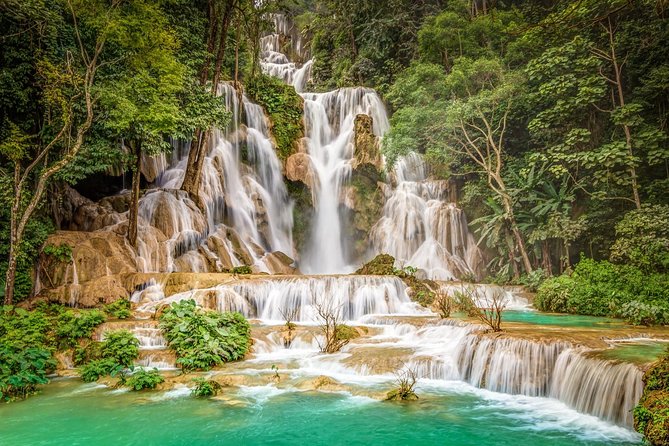
A UNESCO World Heritage town since 1995, Luang Prabang blends French colonial architecture with over 30 gilded temples, reflecting its history as the ancient capital of the Lan Xang Kingdom from the 14th century. Nestled at the Mekong and Nam Khan rivers’ confluence, it’s a spiritual center.
In 2026, it’s touted as a “hidden gem” with new cultural festivals and eco-tours. Must-dos include watching the dawn alms-giving ceremony to monks, climbing Mount Phousi for sunset views, swimming in the turquoise pools of Kuang Si Falls, boating the Mekong to Pak Ou Caves filled with Buddha statues, exploring night markets for handicrafts, and joining cooking classes for Lao cuisine like laap. Visit Wat Xieng Thong for intricate mosaics.
– Time to Visit: November to February for cool weather and festivals like Boun That Luang; avoid rainy season (May-October).
– Tips: Rise early for ceremonies, dress modestly at temples, rent a bike for easy navigation, and support ethical elephant sanctuaries—stay in boutique guesthouses for an authentic vibe.
10. HA GIANG LOOP, VIETNAM
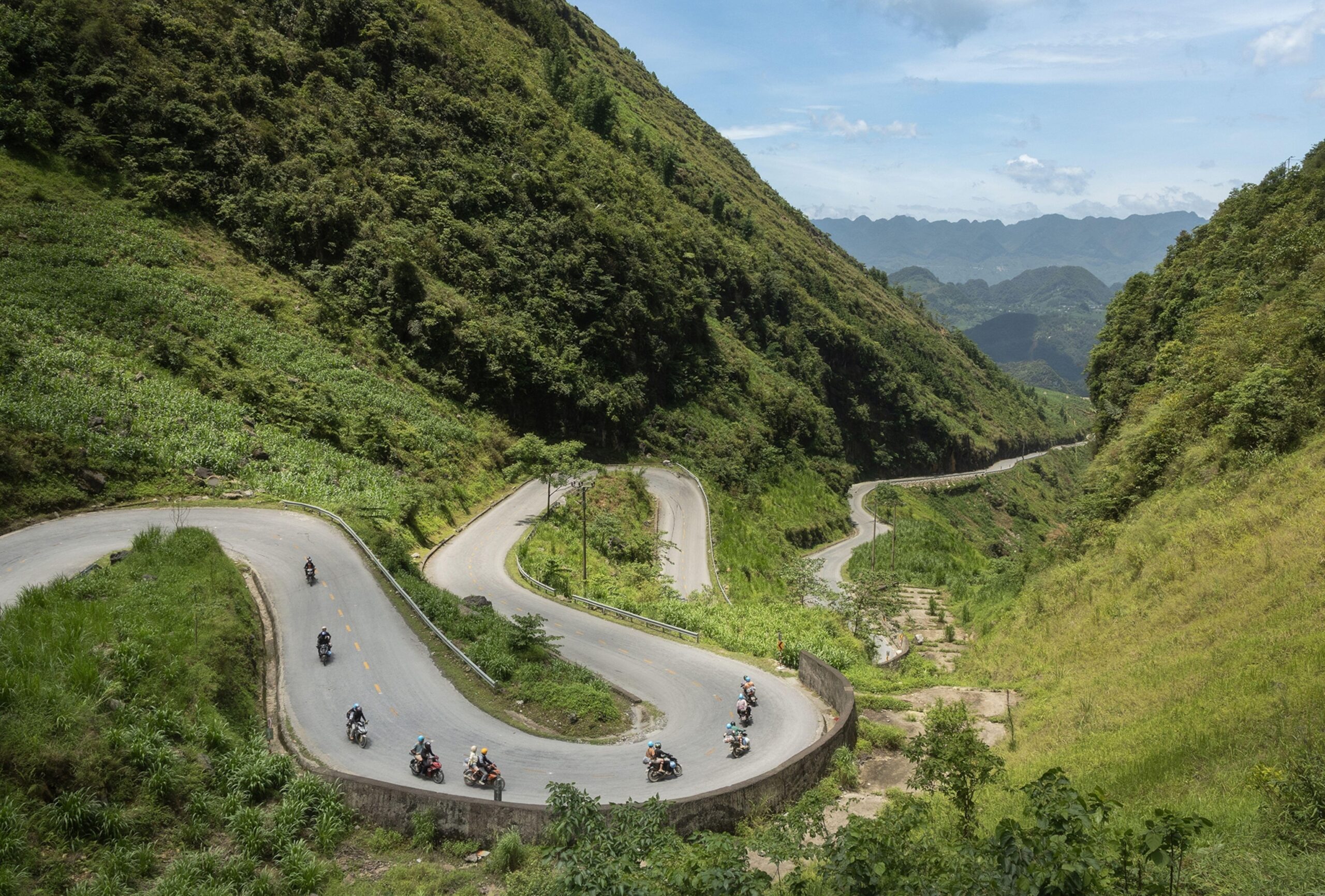
This legendary 300km motorbike circuit in northern Vietnam winds through dramatic karst mountains and ethnic minority villages, with routes tracing ancient trade paths used by H’mong and Dao peoples for centuries. Highlights include the vertigo-inducing Ma Pi Leng Pass, a UNESCO Geopark since 2010, offering jaw-dropping canyon views.
In 2026, improved road safety and eco-homestays make it more accessible, with guided tours promoting cultural sensitivity. Activities involve self-driving or easy-rider tours (with a local driver), visiting Dong Van Old Quarter’s markets, hiking to Lung Cu Flag Tower (Vietnam’s northernmost point), exploring terraced rice fields, and staying in traditional stilt houses for home-cooked meals.
– Time to Visit: September to November for golden rice terraces or March to April for blooming flowers; avoid winter fog (December-February).
– Tips: Rent a semi-automatic bike if inexperienced, carry cash for remote areas, respect local customs (ask before photographing), and join small-group tours for navigation—pack layers for altitude changes and check weather apps for road conditions
These attractions reflect Southeast Asia’s shift toward sustainable and experiential travel in 2026, with better infrastructure and eco-initiatives. Consider shoulder seasons to avoid crowds, and always prioritize responsible tourism to support local communities